
Signs Your Child Needs One-on-One Math Lessons
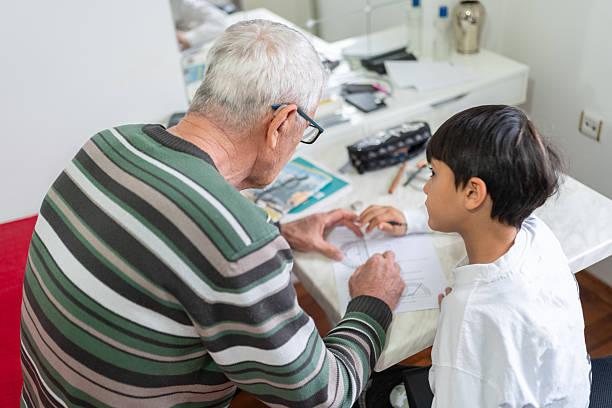
Most parents don't act until things get bad. And honestly, that's not a criticism. It's just how it goes. You notice your kid seems frustrated after school, or the homework takes twice as long as it should, and you figure it's a rough patch. But sometimes it isn't a rough patch. Sometimes there's a real gap forming, quietly, while the class keeps moving forward. If you've been wondering whether your child needs extra support, here's a plain look at the signs that matter. Getting your child into Private Math Lessons in Northborough, MA at the right moment can stop a small problem from becoming a big one. The earlier you catch it, the less ground you'll have to make up.
Behavioral Red Flags at Home
Watch what happens before math homework starts. Does your child stall, suddenly need a snack, or find three other things to do first? Avoidance is usually the first sign. It's not laziness. Kids avoid things that feel hard and confusing, and if math has started to feel that way regularly, there's a reason for it.
Meltdowns before tests are worth paying attention to too. A little nervousness is normal. But if your child is crying, complaining of stomachaches, or saying things like "I'm just bad at math," that's anxiety talking. That kind of reaction usually points to gaps in understanding, not attitude problems. The child isn't being dramatic. They genuinely don't feel ready, and they probably aren't.
Also look at how they handle mistakes. Kids who understand the material can shake off a wrong answer. Kids who are lost tend to shut down completely. Short sentences tell you a lot: "I don't get it." "This is stupid." "I give up." Those aren't just moods. They're signals.
Academic Warning Signs Worth Taking Seriously
Grades tell part of the story. Consistently low quiz scores, a grade that's slipped one or two letters over a semester, or teacher comments about "falling behind grade-level expectations" are all things to take seriously. One bad test isn't a crisis. A pattern is.
Teacher feedback is especially useful here, and a lot of parents underestimate it. If a teacher mentions that your child struggles to keep up during class, needs repeated explanations, or often gets the concept but makes the same procedural errors over and over, those are specific, useful clues. They suggest your child isn't just having a bad day. They're missing something structural in how they understand the material.
You can also watch homework quality. Is your child getting most answers right, or are whole sections blank or full of guesses? Guessing is a sign they've stopped trusting their own understanding. That's a different problem than simply needing more practice, and it usually requires a different kind of help.
How Math Gaps Compound Over Time
Math is not like most subjects. Missing a chapter in history is inconvenient. Missing a foundational concept in math is a structural problem. Third-grade multiplication feeds directly into fourth-grade division, which feeds into fifth-grade fractions, which feeds into middle school algebra. Each layer depends on the one below it.
This is why a child can seem fine in second grade and then suddenly struggle hard in fourth. The gap was always there. The curriculum just hadn't demanded that skill yet. Once it does, everything built on that missing piece starts to wobble. Mathematics education research has documented this compounding effect for decades, and teachers in crowded classrooms often can't stop to address individual gaps before the class has to move on.
This is exactly why timing matters so much. A gap caught in third grade takes a few weeks to fix with the right support. That same gap, left until sixth grade, can take months to untangle because there are now several layers of shaky understanding stacked on top of it. Acting early is almost always easier and less stressful for the child.
More Practice vs. Personalized Instruction: What's the Real Difference?
Not every struggling child needs a tutor. Some kids just need more repetition and a quieter space to work. If your child understands the concept but keeps making small arithmetic errors, more practice might genuinely be enough. That's a real category of learner, and it's worth being honest about.
But if your child can't explain what they're doing or why, if they can't apply a concept to a slightly different problem, or if they've developed real anxiety around math, that's a different situation. More worksheets won't fix a confidence problem or fill in a conceptual gap. What they need is someone who can sit with them, figure out exactly where the understanding broke down, and rebuild from that point in a way that makes sense to them specifically.
One-on-one instruction does something a classroom can't. The teacher can stop and redirect in real time based on what one child is doing and thinking, not what the class average needs. That's not a small difference. For a child who's been quietly lost for months, it can change everything.
What to Expect from Structured Private Lessons
If you decide to move forward, it helps to know what good private instruction actually looks like. It shouldn't just be homework help. A solid program identifies where the gaps are first, then builds a plan that addresses those specific gaps in order, before pushing forward with new material.
Families in the Northborough area have been using Pi Math School Inc for exactly this kind of structured, gap-targeted instruction. The approach starts with figuring out what the child actually knows versus what they've been guessing at, which is often a very different picture than their report card suggests.
In-Person Math Classes in Northborough, MA give kids something online sessions often can't: physical presence, real accountability, and the ability for a teacher to notice non-verbal cues like a furrowed brow or a pencil that's stopped moving. Those small signals matter a lot when you're trying to figure out where a child is genuinely stuck. Private Math Lessons in Northborough, MA that are structured around individual gaps tend to show results within a few weeks, not months, because the instruction isn't wasted on things the child already knows.
Parents should also expect regular communication. A good program keeps you in the loop about what's being worked on, what's improving, and what still needs attention. You shouldn't have to guess whether it's working. And In-Person Math Classes in Northborough, MA from a reputable school will typically offer some form of progress tracking so you can see the improvement over time, not just hear about it.
Frequently Asked Questions
How do I know if my child needs a tutor or just more practice at home?
If your child understands the concept but makes careless errors, more practice at home might be enough. But if they can't explain their work, shut down during homework, or have developed real anxiety around math, that usually points to a gap that structured one-on-one instruction handles better than extra worksheets.
At what age or grade should I start looking into private math lessons?
There's no single right age. But the earlier the better, honestly. Gaps that form in second or third grade are much easier to fix than the same gaps discovered in sixth or seventh grade, when several years of curriculum have already been built on top of them.
What if my child's teacher hasn't flagged any problems?
Teachers work with large groups of kids and can't always catch what's happening with every individual student. If your child is managing to pass but showing signs of anxiety or avoidance at home, trust what you're seeing. Home behavior often reflects academic stress that doesn't show up clearly in a busy classroom.
How long does it usually take to see improvement from private lessons?
Most families notice a change in attitude and confidence within the first few weeks, even before grades visibly improve. Actual grade improvement typically follows within one to two grading periods, depending on how deep the gaps were and how consistently the child attends sessions.
Are in-person lessons really better than online tutoring?
It depends on the child, but for kids with attention challenges or significant anxiety, in-person sessions tend to work better. The physical presence of a teacher creates accountability, and it's easier to read a child's confusion in person than through a screen. For younger kids especially, the in-person format usually produces faster results.
If you're still on the fence, start by writing down what you've noticed over the last month. Patterns become a lot clearer when you put them on paper, and you'll probably find the answer is more obvious than you expected.

 English
 Arabic
 French
 Spanish
 Portuguese
 Deutsch
 Turkish
 Dutch
Dutch
 Italiano
 Russian
 Romaian
 Greek
Greek